
Atlantic Hurricane Season 2020 Storm Names
| Arthur | Bertha | Cristobal | Dolly | Edouard | Fay | Gonzalo | Hanna | Isaias | Josephine | Kyle | Laura | Marco | Nana | Omar | Paulette | Rene | Sally | Teddy | Vicky | Wilfred |
Hurricane Season runs from June 1-November 30
Click on the county or coastal water zone of interest to get the latest forecast from the National Weather Service.
Caribbean Sea Satellite

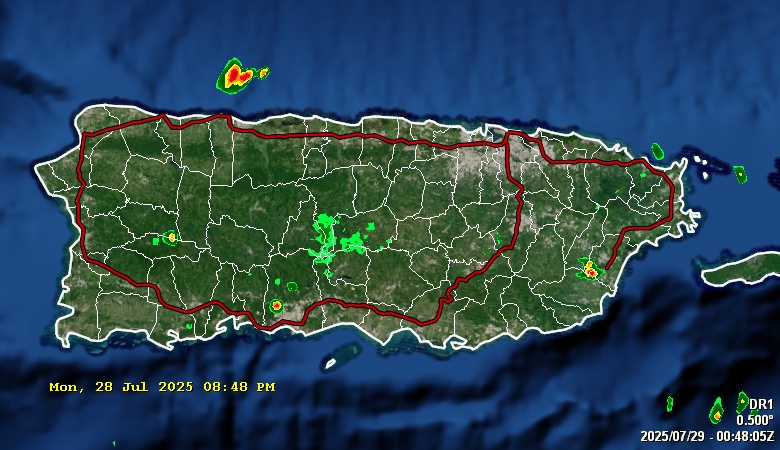
NWS San Juan Doppler Radar

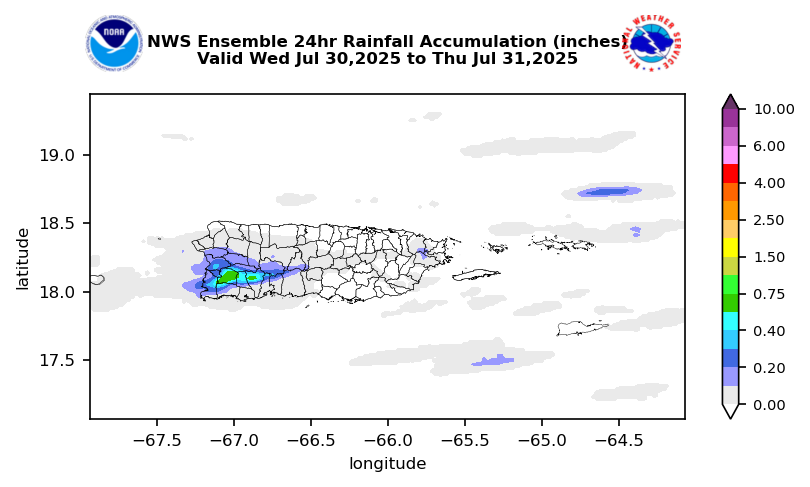
Day 1 rainfall
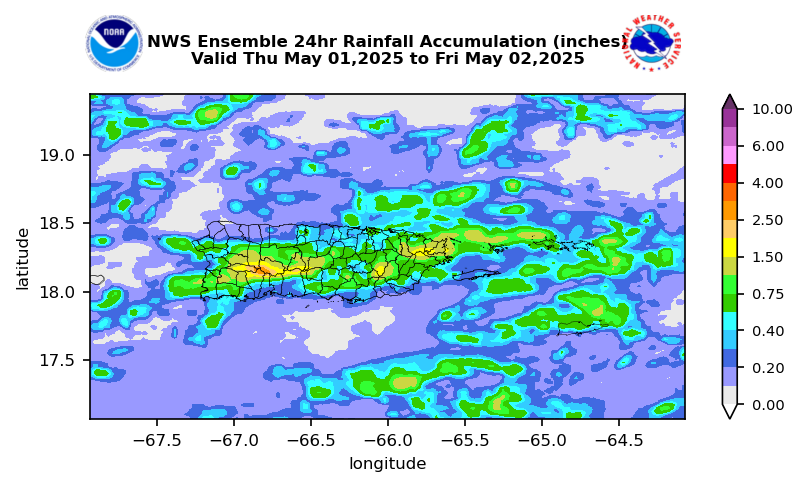
Day 2 rainfall
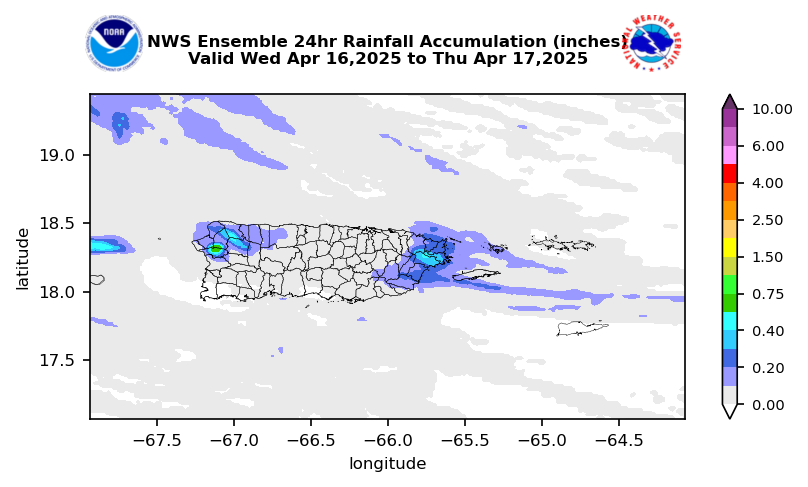
Day 3 rainfall
Weather Summary for Puerto Rico
647
FXCA62 TJSJ 200654
AFDSJU

Area Forecast Discussion
National Weather Service San Juan PR
254 AM AST Thu Aug 20 2026

...New SHORT TERM, LONG TERM, AVIATION, MARINE, BEACH FORECAST, FIRE WEATHER...

.KEY MESSAGES...
Issued at 245 AM AST Thu Aug 20 2026

 - A heat threat will be present from today through the rest of the
   workweek as warm temperatures and heat indices between 108 and
   111 degrees persist across the islands.

 - A drier airmass with Saharan dust particles will dominate the local
   region today, limiting cloudiness and shower development
   across the area. Although showers are not anticipated across
   most of PR, some afternoon showers resulting from diurnal
   patterns are forecast across western PR.

 - For today, fire danger threats are expected as a drier airmass
   results in RH values in the mid to upper 40s and sustained
   winds up to 15 mph.

 - There is a low to moderate risk of rip currents along all
   coastal areas from today into the upcoming weekend.

&&

.Short Term(Today through Saturday)...
Issued at 245 AM AST Thu Aug 20 2026

Tranquil weather conditions prevailed in the night across the
region as the thunderstorms and convective showers associated with
the latest tropical wave moved farther away from the local CWA,
allowing a drier and more stable air mass to filter into the
region. In its wake, this atmospheric drying suppressed widespread
cloud formation, leaving mostly clear skies across the islands
overnight. Despite the settled conditions, overnight temperatures
remained warm, particularly along coastal and urban areas where
temperatures reached the low 80s across the San Juan Metro area.
Meanwhile, the higher elevations experienced slightly cooler
nighttime lows in the mid to upper 70s.

Today, a significantly drier air mass will filter across the
region, with Precipitable Water (PWAT) values dropping well below
two standard deviations from normal. Embedded within this dry air
mass, moderate concentrations of Saharan dust will prevail,
producing hazy skies and heavily suppressing widespread shower
development throughout the area. At 250 mb, an upper-level trough
lies directly over the region, with its most active divergent zone
positioned just east of the local area. At the surface, a
dominant high-pressure system will maintain a moderate east-to-
southeast wind flow, which will continue to drive unseasonably
warm air across the island. Given these exceptionally hot
conditions, a Heat Advisory is in effect today from 10:00 AM to
5:00 PM AST, as heat indices are expected to peak between 108 and
111 degrees Fahrenheit. Although rainfall chances remain very low
across most of the area due to this dry regime, the breezy trade
winds may still transport a few localized, fast-moving showers
across parts of western Puerto Rico during the afternoon hours.

On Saturday, upper-level conditions will remain similar as a cut-
off low lingers just north of the region, maintaining a
southwesterly flow aloft. At mid-levels, high pressure extending
across the area will promote atmospheric stability and limit
widespread deep convection. However, a transition will take place
closer to the surface as trade winds shift more from the east,
allowing pockets of moisture to filter into the local islands.
Precipitable water (PWAT) values are forecast to range between 1.5
and 1.7 inches as these moisture patches move across the region.
Under this pattern, brief passing showers will periodically move
across windward and eastern sections of the islands. By late
afternoon, the combination of daytime heating, sea breeze
convergence, and local effects will trigger localized convective
development across western Puerto Rico, bringing a limited flood
threat to that area on Saturday.

&&

.Long Term(Sunday through Thursday)...
Issued at 245 AM AST Thu Aug 20 2026


Moisture is expected to increase Sunday into Monday as a tropical
wave approaches the region. The latest model guidance suggests
precipitable water and lower to mid level relative humidity
increasing to near or above normal values for this time of year,
particularly by Monday. This should favor an increase in passing
showers and localized afternoon convection, with locally heavy
rainfall possible. As a result, the main hazards Sunday into Monday
will be lightning and localized flooding, especially where repeated
or heavier showers and thunderstorms occur.

A drying trend is then expected behind the wave Tuesday into
midweek. Although low-level moisture may linger, mid-level relative
humidity decreases considerably through Wednesday as heights rise
and temperatures aloft gradually warm. This should increasingly
limit the vertical depth and coverage of convection and reduce the
potential for significant rainfall. With fewer showers and greater
periods of sunshine, heat will become the primary hazard from
Tuesday into midweek, with elevated to locally significant heat risk
possible during the afternoon hours.

Overall, the primary hazards transition from localized flooding and
lightning Sunday into Monday to increasing heat concerns Tuesday
through midweek.

&&

.AVIATION...
(06Z TAFS)
Issued at 245 AM AST Thu Aug 20 2026

VFR conditions will generally prevail across all terminals
throughout the forecast period, though localized reductions in VIS
down to 6SM are expected due to widespread haze (HZ). Surface
winds will increase after 20/14Z to around 15 knots from the E-SE,
with occasional higher gusts. Afternoon convection may trigger
VCSH at TJBQ around 20/20Z diminishing at 20/23Z.

&&

.MARINE...
Issued at 245 AM AST Thu Aug 20 2026

Moderate to locally fresh easterly winds will continue today,
maintaining locally choppy conditions across portions of the offshore
waters and local passages. Winds will gradually relax Friday into
the Weekend, though occasionally breezy conditions may persist
across the more exposed waters. marine conditions are expected to
deteriorate again Sunday into early next week as winds and seas
increases.

&&

.BEACH FORECAST...
Issued at 245 AM AST Thu Aug 20 2026

A moderate risk of rip currents will continue today along the
exposed beaches of northern and eastern Puerto Rico, Culebra,
Vieques, and the U.S. Virgin Islands, with generally lower risk
elsewhere. Life-threatening rip currents remain possible in the surf
zone particularly near jetties, reefs, groins, and piers. Beachgoers
should continue to exercise caution and pay attention to local
beach conditions.
&&

.FIRE WEATHER...
Issued at 245 AM AST Thu Aug 20 2026

An elevated fire danger threat is expected today due to a
combination of dry atmospheric conditions and breezy winds.
Relative humidity (RH) values are forecast to drop into the mid
and even lower 40s during the peak heating hours of the afternoon.
Combined with sustained east-southeast winds between 10 and 15
mph and dry fuels, soil, and environmental conditions will be
favorable for rapid fire ignition and spread. Therefore, a
a high Fire Danger Statement (RFD) will be issued for the area.

&&

.SJU WATCHES/WARNINGS/ADVISORIES...
PR...Heat Advisory from 10 AM this morning to 5 PM AST this afternoon
     for PRZ001>005-007-008-010>013.

VI...Heat Advisory from 10 AM this morning to 5 PM AST this afternoon
     for VIZ001-002.

AM...None.
&&

$$

SHORT TERM, AVIATION, FIRE WEATHER & KEY MESSAGES...LIS
LONG TERM....MMC
MARINE & BEACH FORECAST...ICP
|
Tropical Atlantic Satellite

Latest Earthquakes near Puerto Rico
Saharan Air Layer

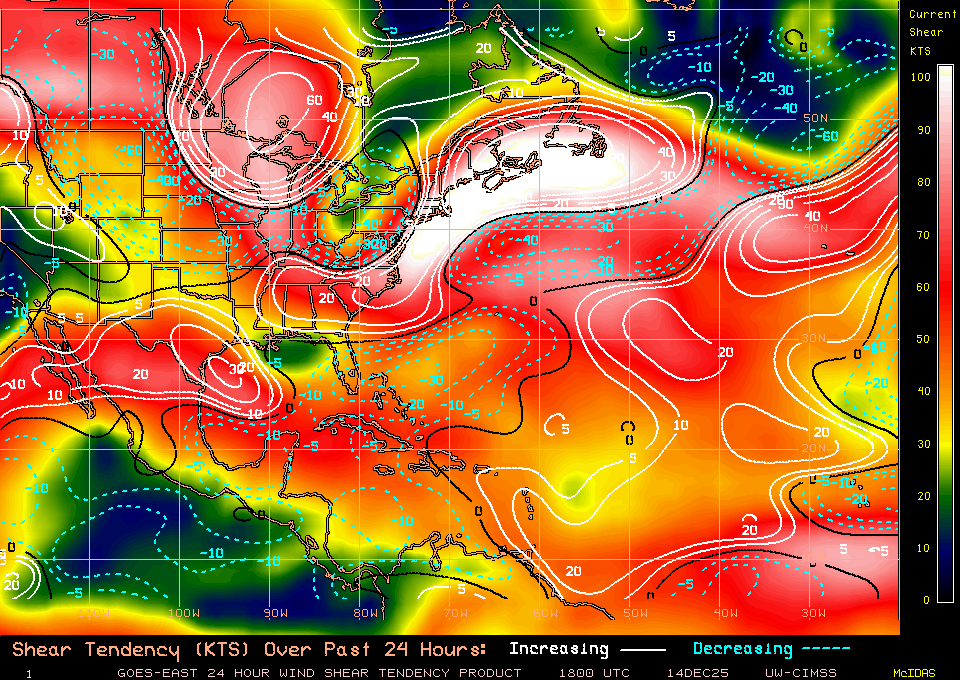
Wind Shear Tendency
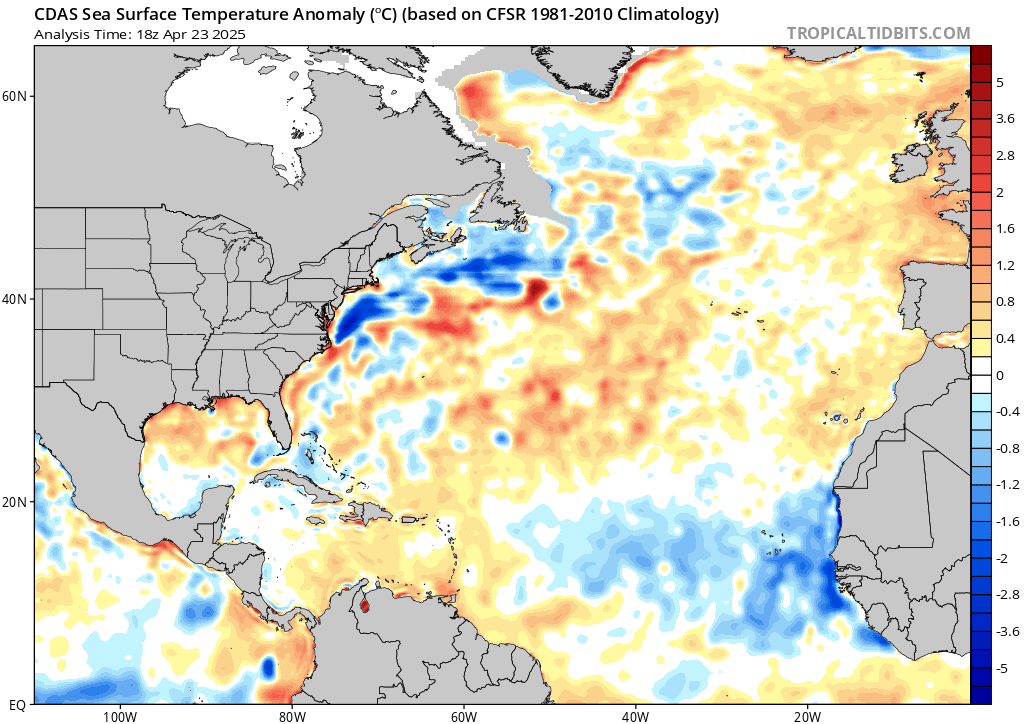
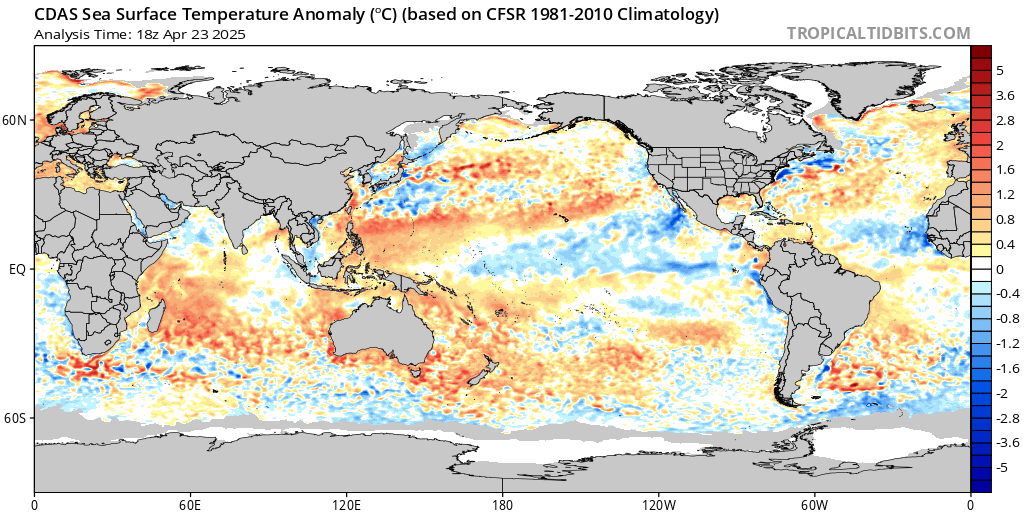
Sea Surface Temperatures
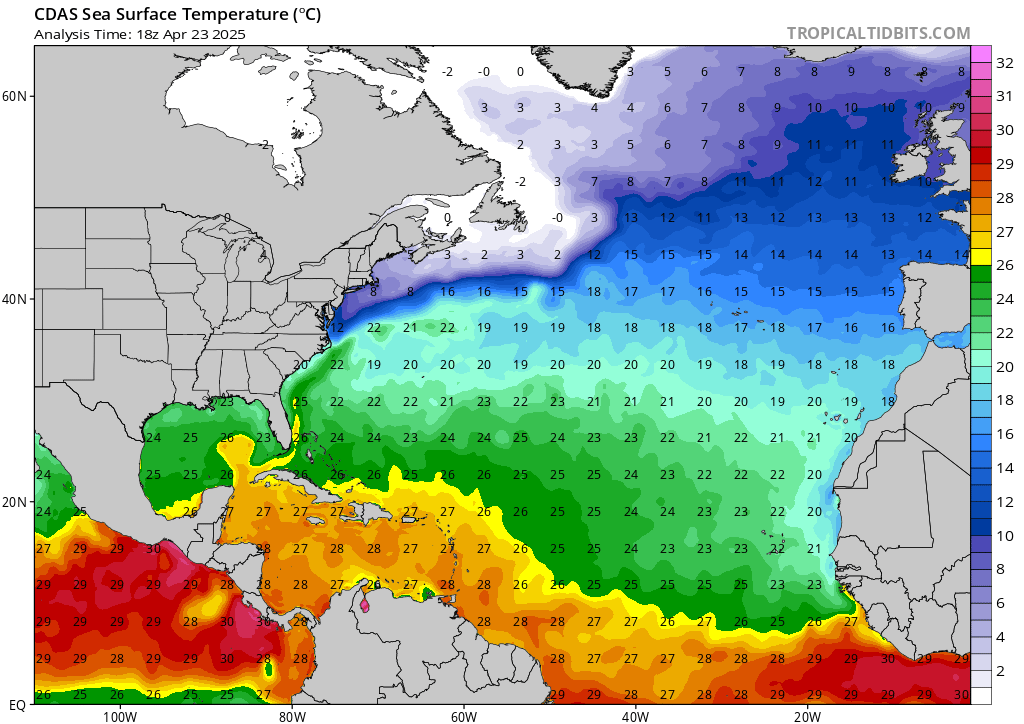
Sea Surface Temperatures Anomalies